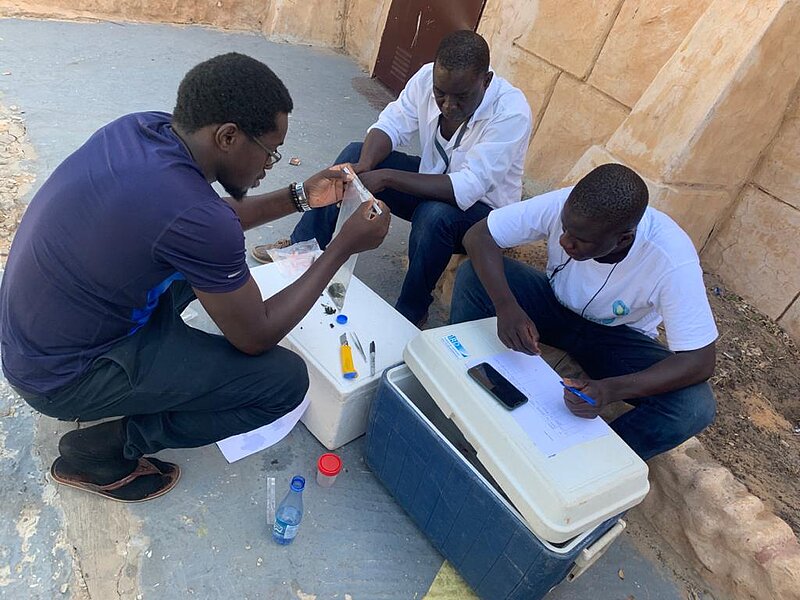
First exploratory field mission on November 10 2020 around Dakar
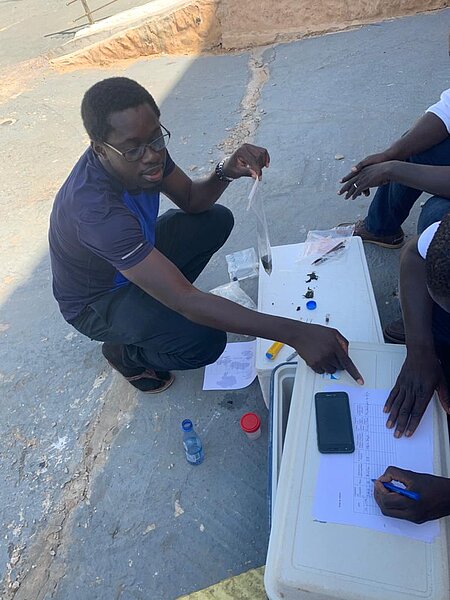
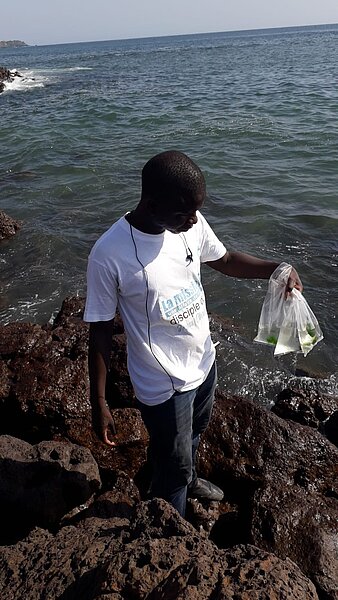
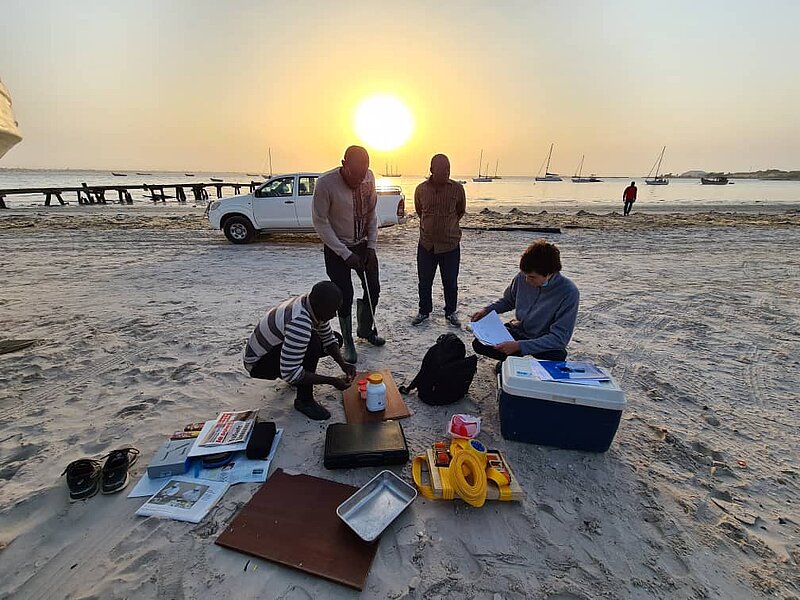
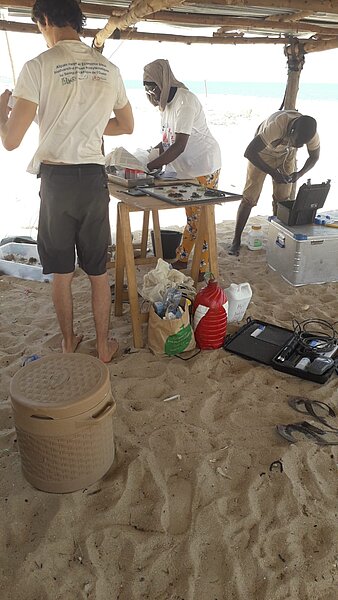
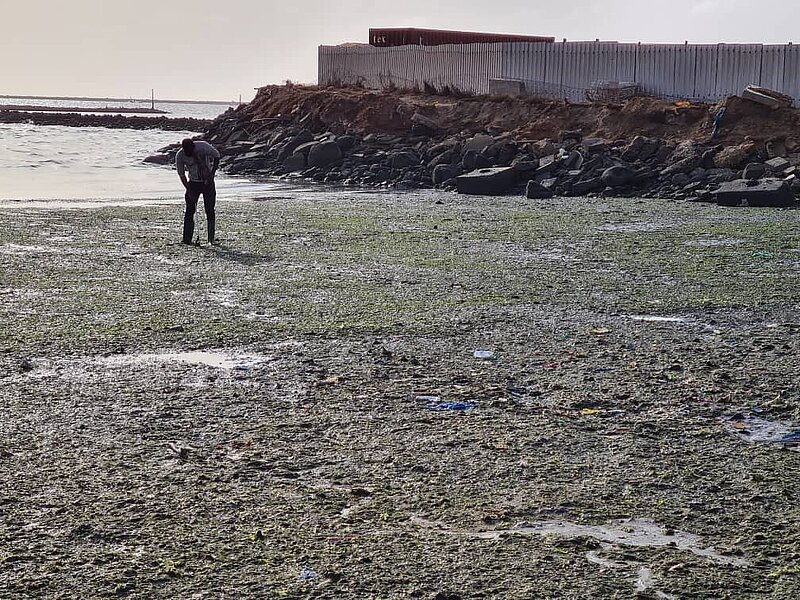
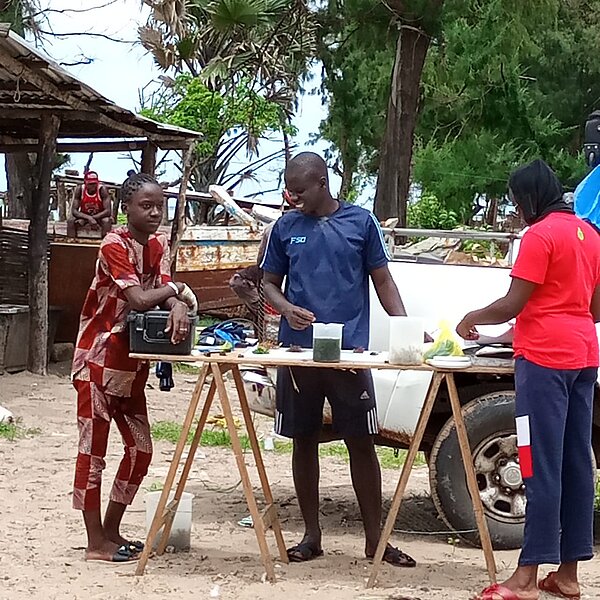
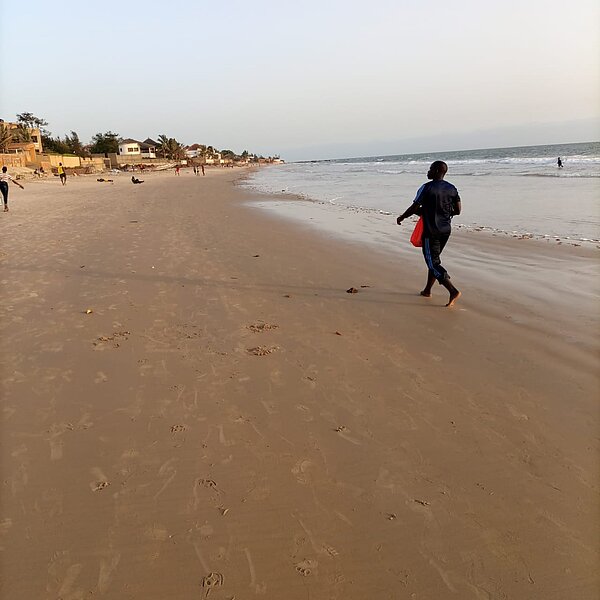
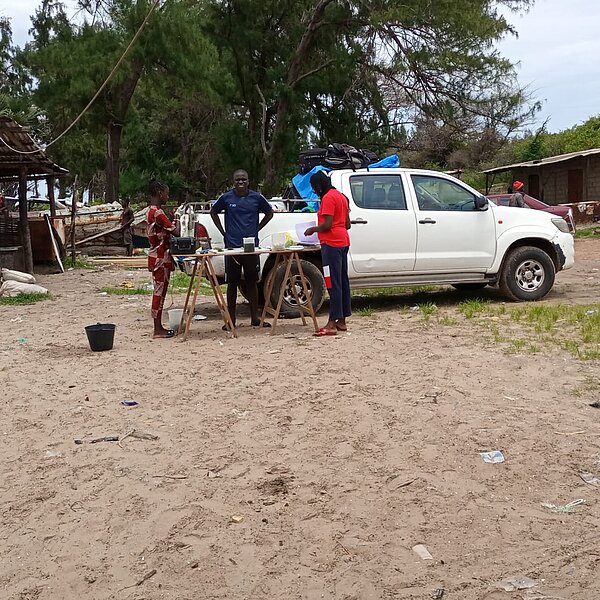
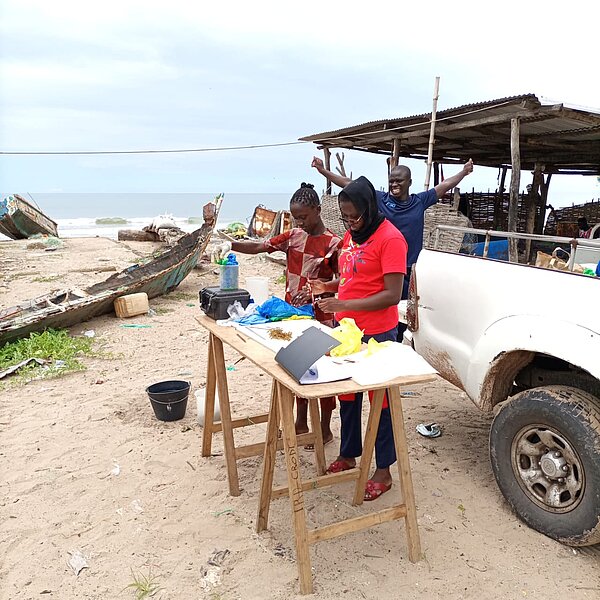
Waly Ndiaye, Fulgence Diedhiou and Bocar Baldé on the first field mission of CLIMNALG-SN to test sampling protocols an explore sites.
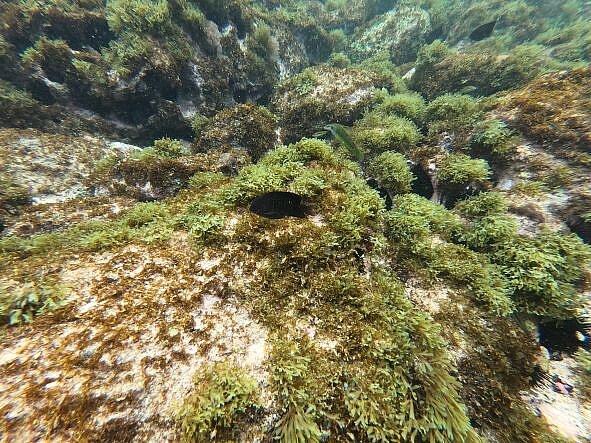
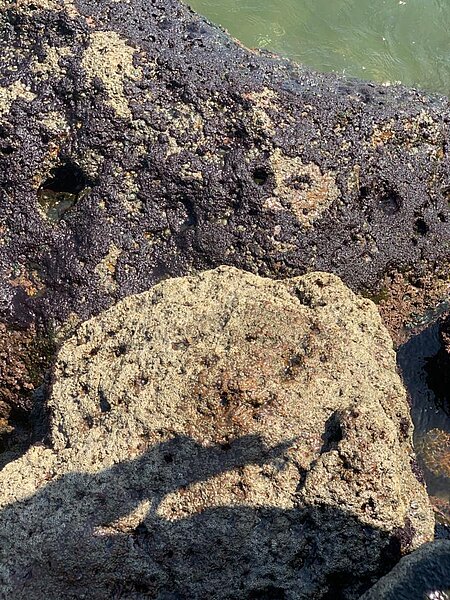
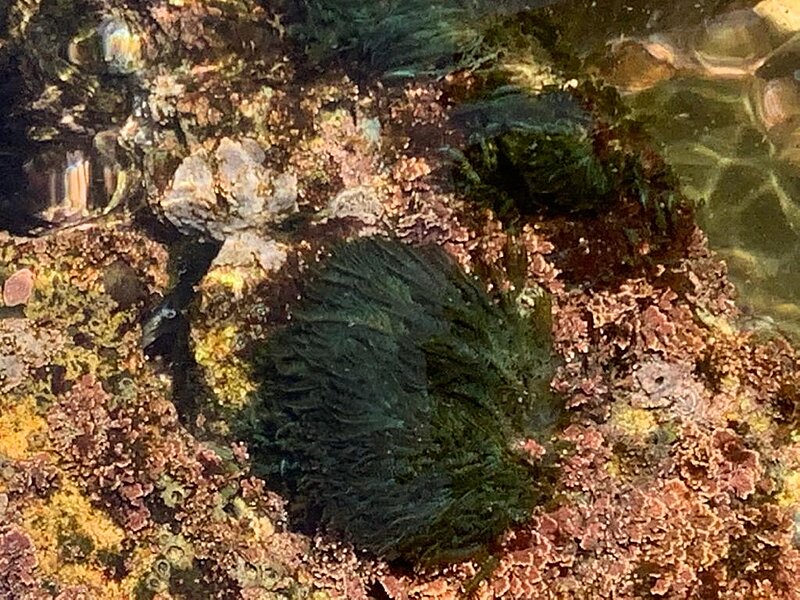
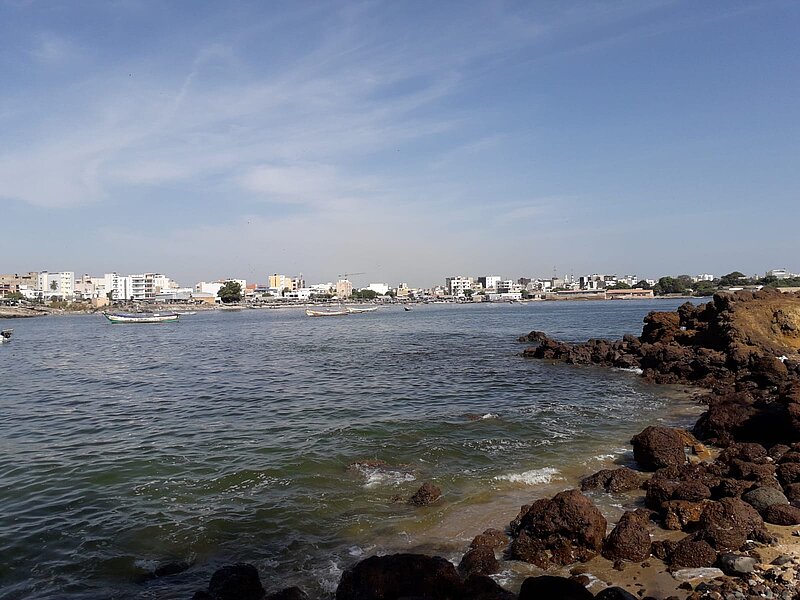
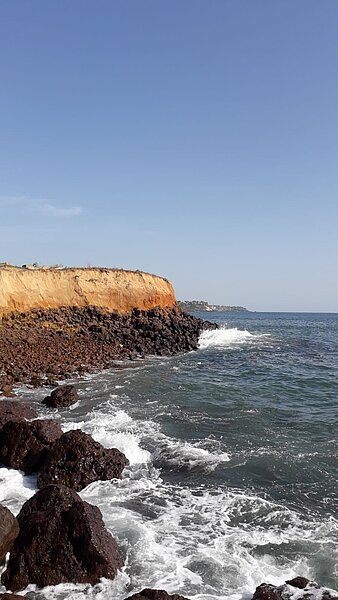
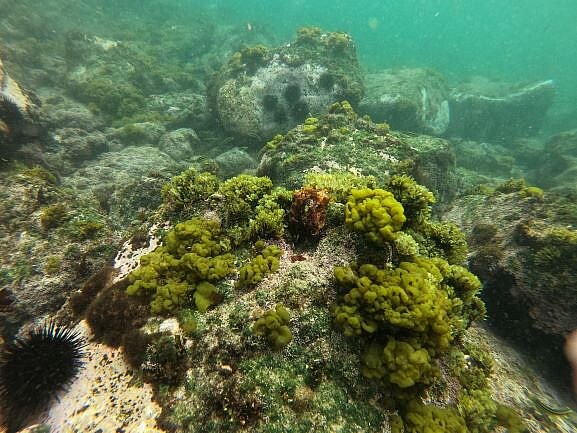
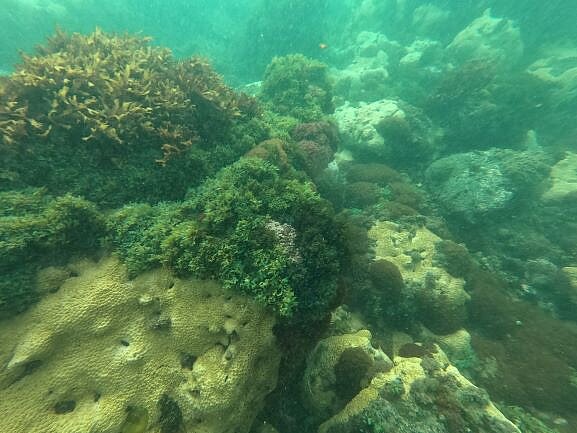
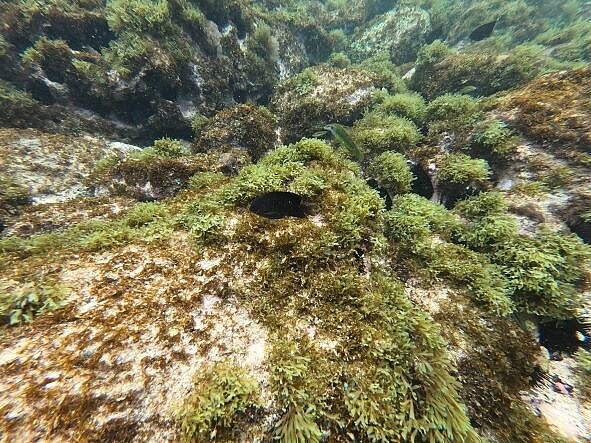
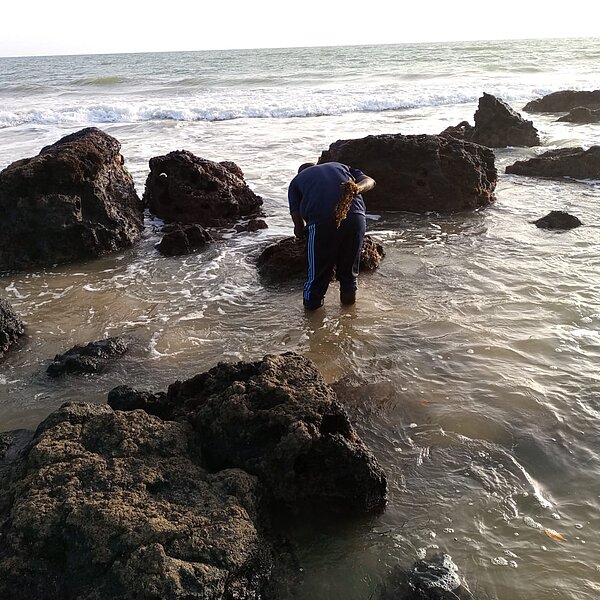
Rocky shore with algae at Soumbèdioune near Magic Island.
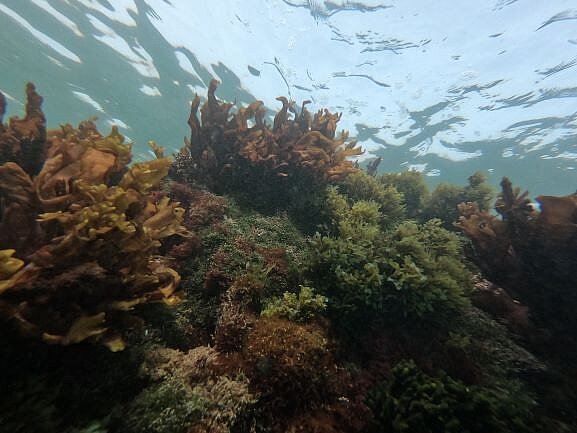
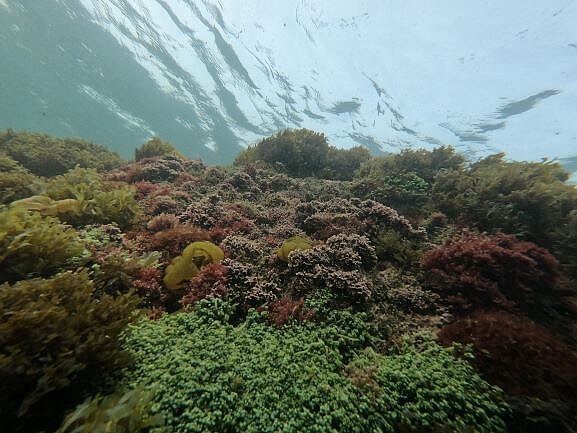
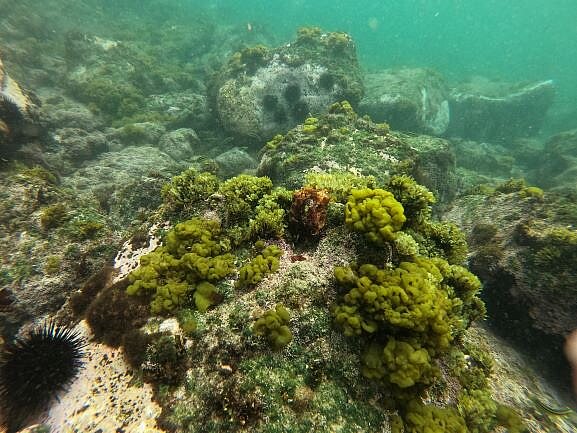
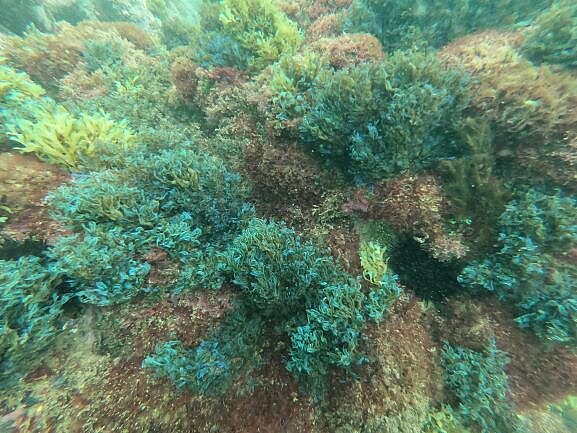
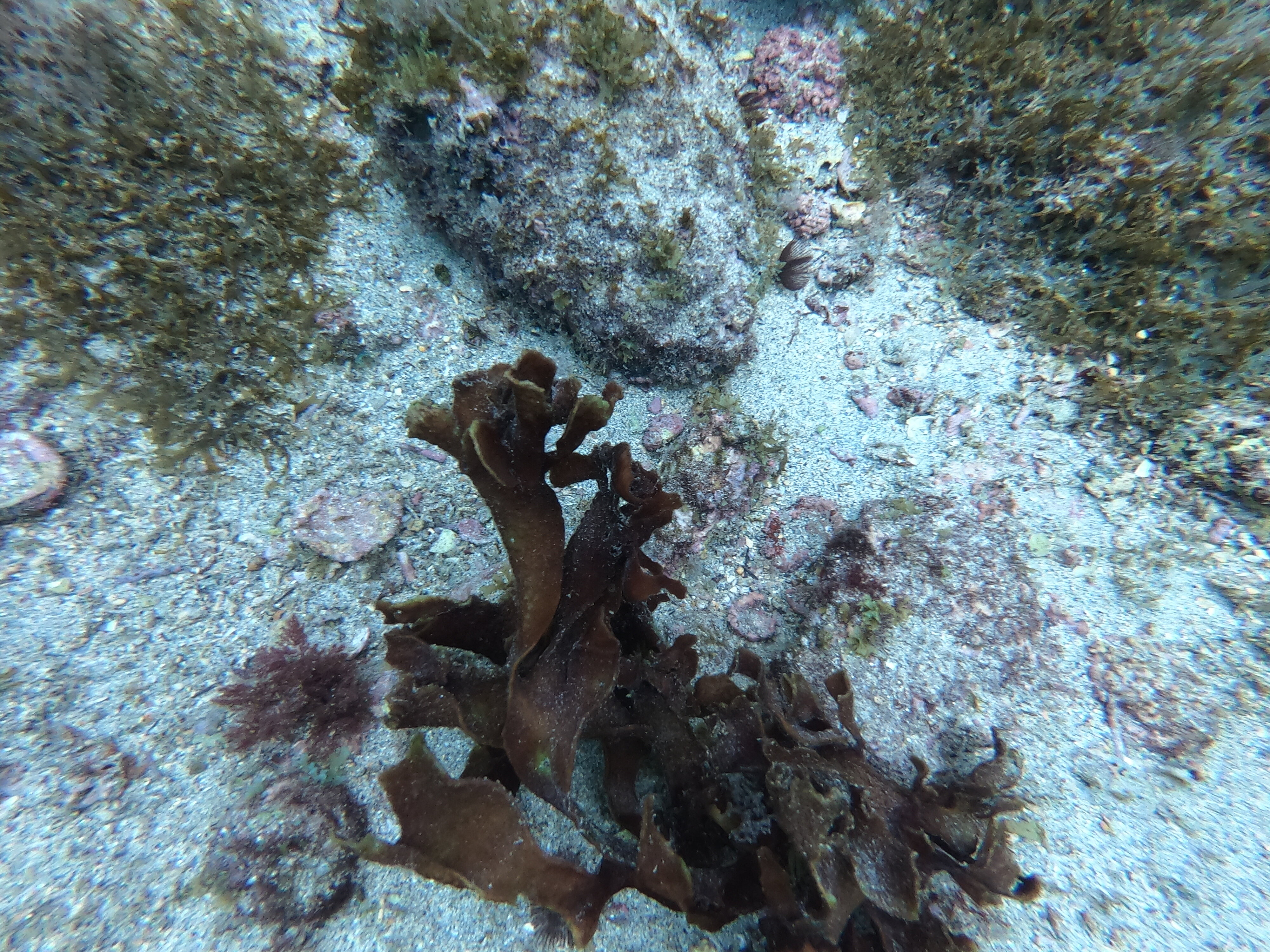
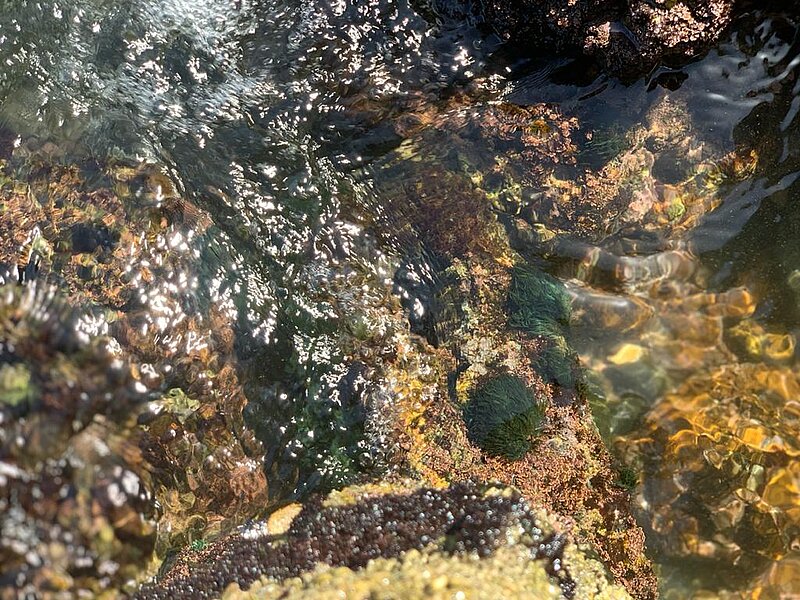
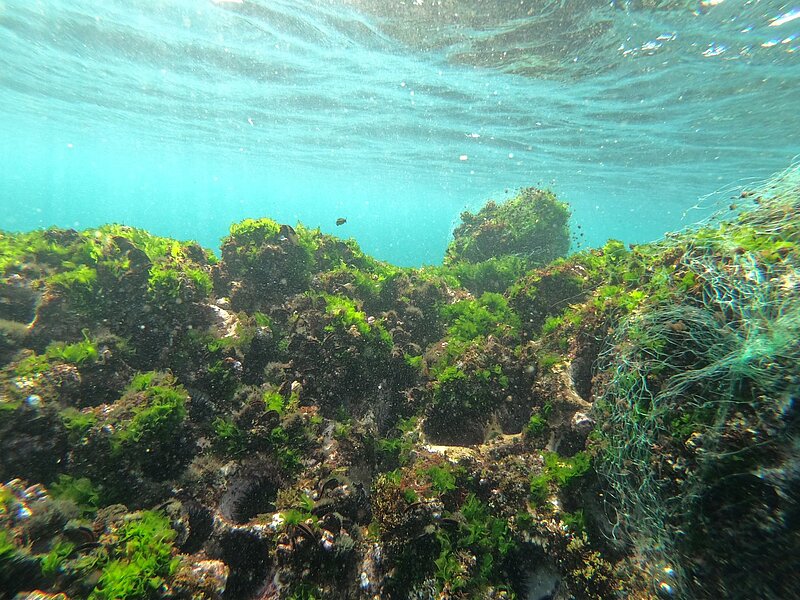
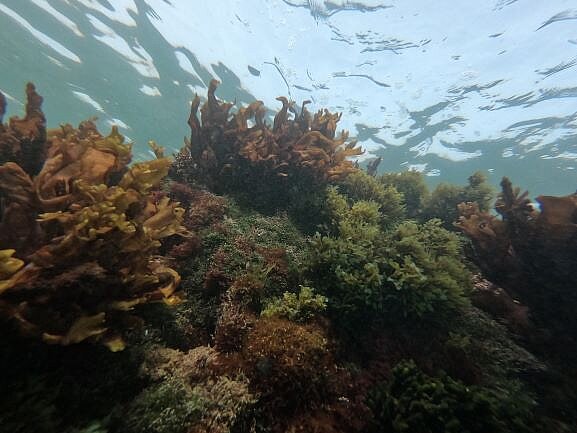
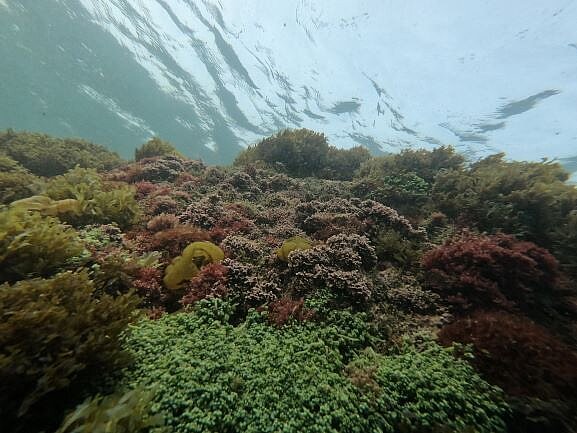
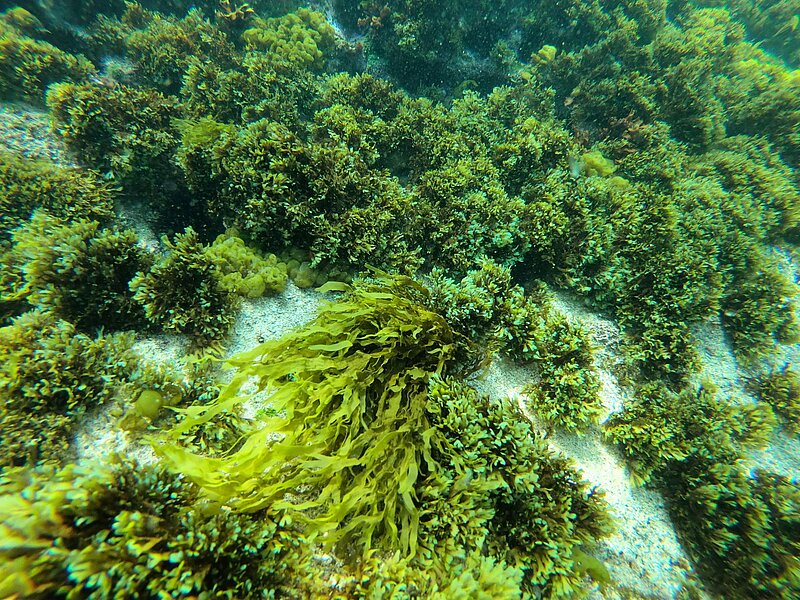
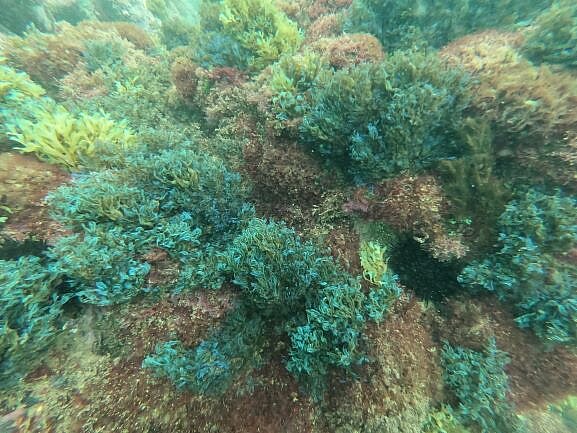
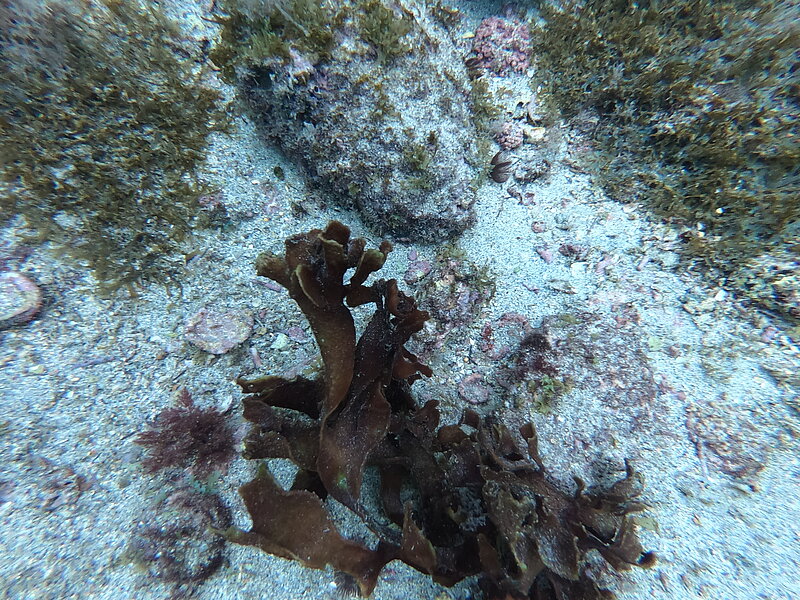
A lot of different seaweeds are at the coast.... green and red, possibly brown....Caulerpa, Corallina, Chondrus, Gelidium, Ulva, .... !? They can be important retreats for fish and other animals, contributing to biodiversity.
Barcoding will bring further insights into the species identification. Meta-barcoding of environmental eDNA (genetic species identification) will allow a look into the sites biodiversity.
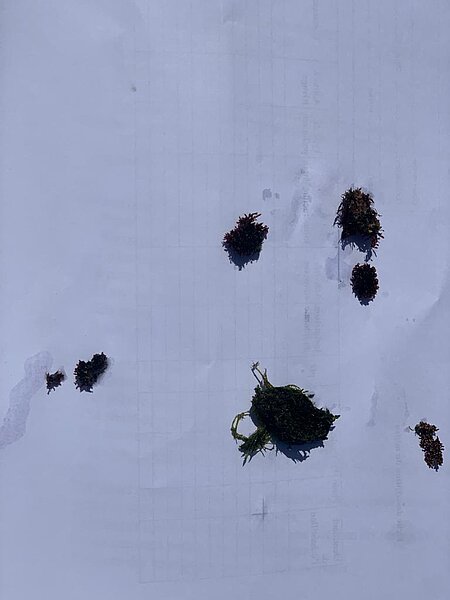
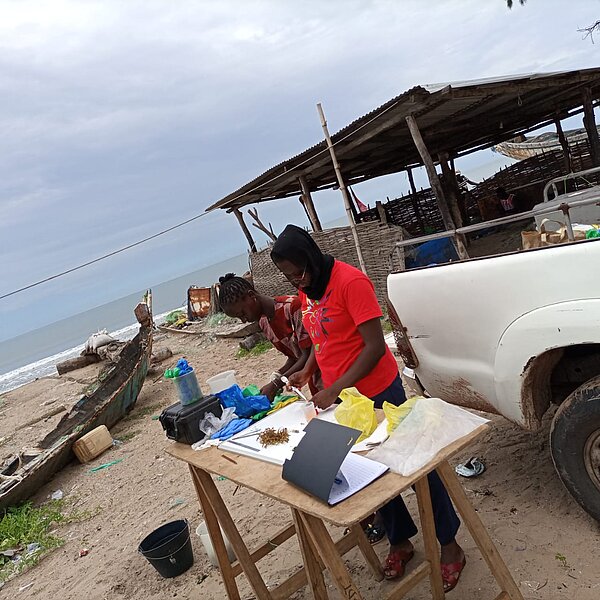
A lot of samples have been taken during the field mission, they are conserved for genetic identification and are prepared for herbar collection.
Samples have been carefully documented, and methods of collection and conservation have been tested.
Some seaweeds are taken back to the laboratory, where cultivation allows a deeper look into their kinds.
Many more seaweeds will be found and identified during the next two years in the coastal waters of Senegal near Dakar and along the entire Senegalese coast.
Which seaweeds grow at the Senegalese coast in the 2020ties? How do they contribute to biodiversity? How do they respond to pollution and climate change? Can they be exploited and cultivated? These and further questions are targeted by CLIMALG-SN during the years to come.
Maps of the field missions
First sampling campaign in April-May 2021
Second sampling campaign in August-September 2021
Third sampling campaign until May 2022
First major sampling campaign along the Senegalese coast from May 3 to June 20, 2021
Sampling start on May 3, 2021. Fulgence Diedhiou, Waly Ndiaye, Bocar Balde, Giorgio Bolchi and Patrice Brehmer started sampling on Dakar's coasts in the early morning hours.
Ndeye Coumba Bousso, Mamie Souadou Diop and Georgio Bolchi with material for sampling.
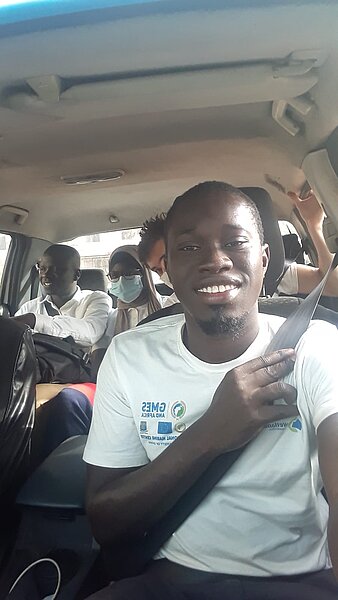
Waly, Mamie, Fulgence and Giorgio drive to one of the 34 sampling sites. Photo by Waly Ndiaye (c) ISRA, 2021
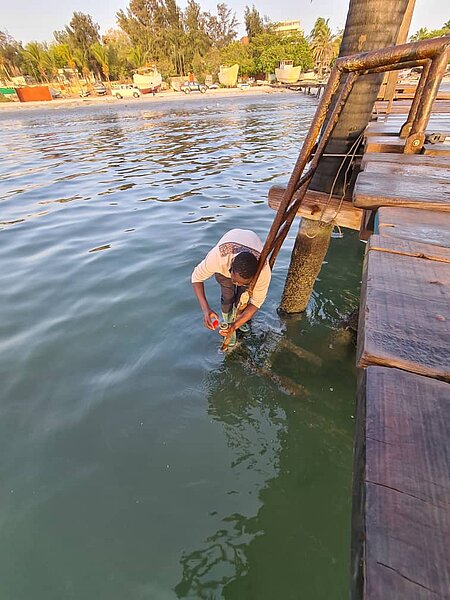
Waly takes water and algae samples.
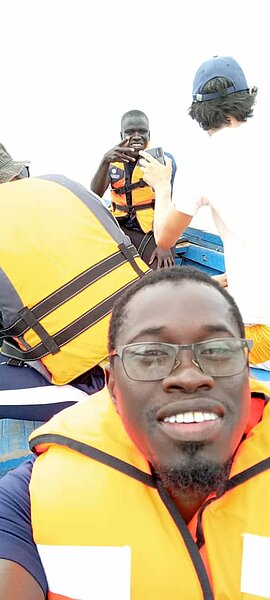
The team also used ferries and boats to reach specific sampling locations. Photo by Waly Ndiaye (c) ISRA, 2021
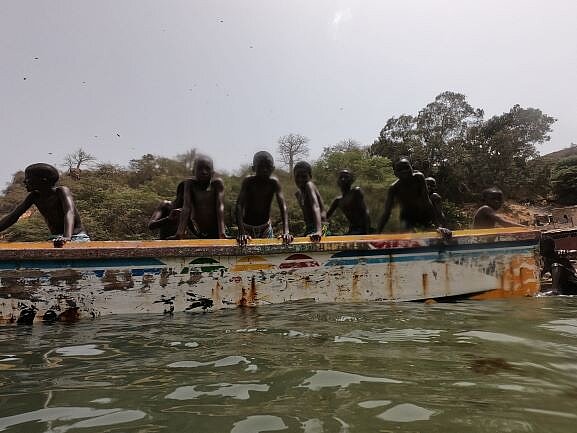
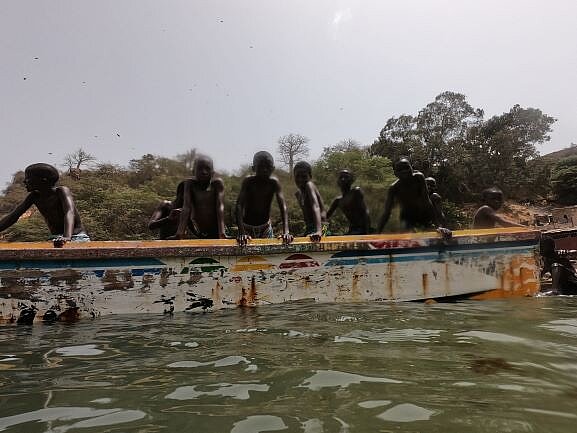
Playing children at Anse-Bernard watch the divers and sampling. Photo by Patrice Brehmer (c) IRD, 2021
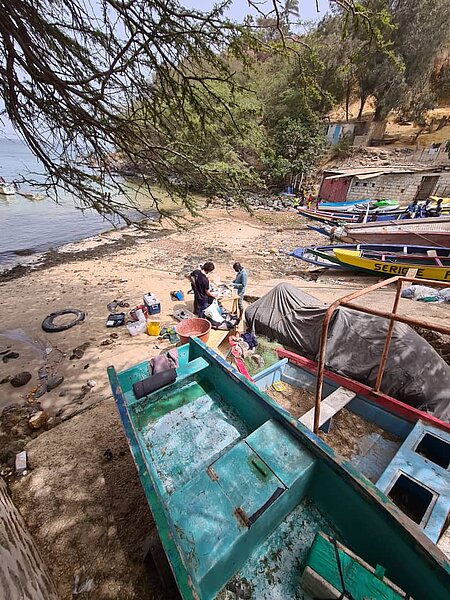
Documenting the sites and the samples and preparing them required a variety of improvisational and flexibility skills. Photo by Patrice Brehmer (c) IRD, 2021
Documenting the sites and the samples and preparing them required a variety of improvisational and flexibility skills. Photo by Patrice Brehmer (c) IRD, 2021
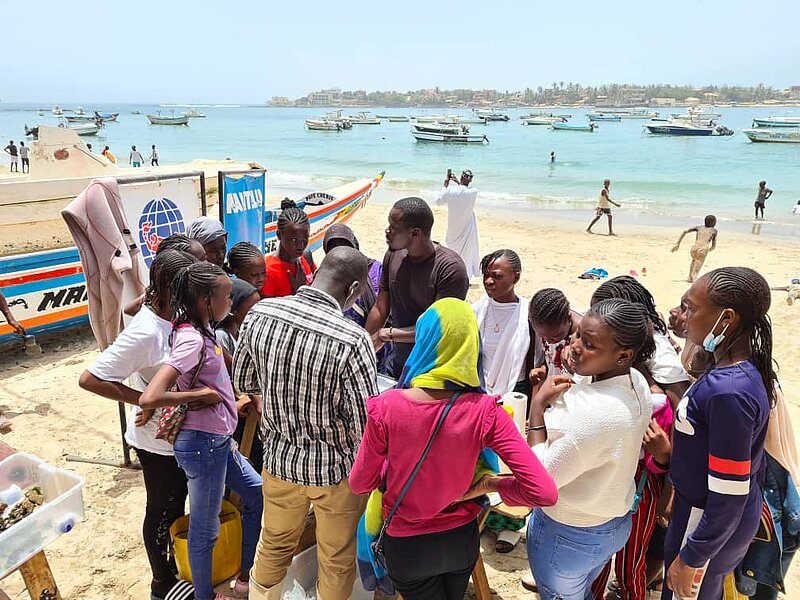
Waly explains the project during sampling. Photo by Patrice Brehmer (c) IRD, 2021
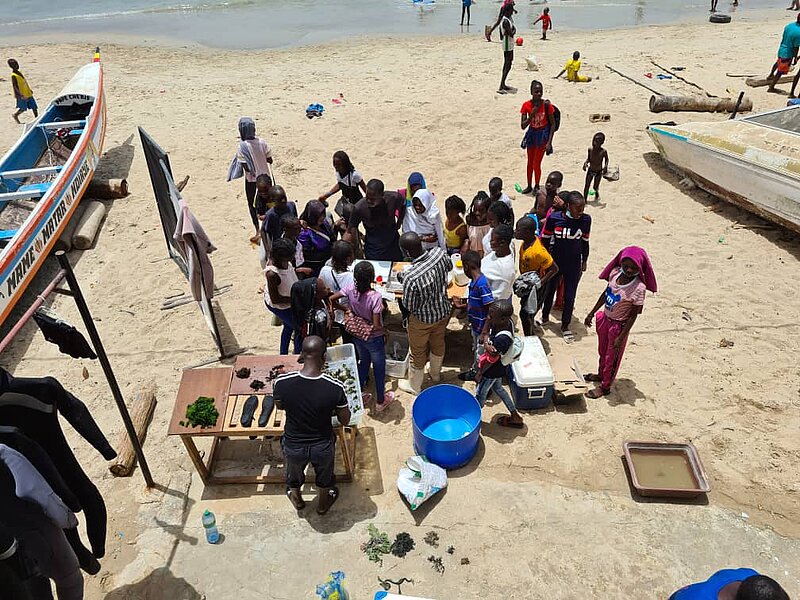
Schoolchildren look at macroalgae and learn about their biodiversity. Photo by Patrice Brehmer (c) IRD, 2021
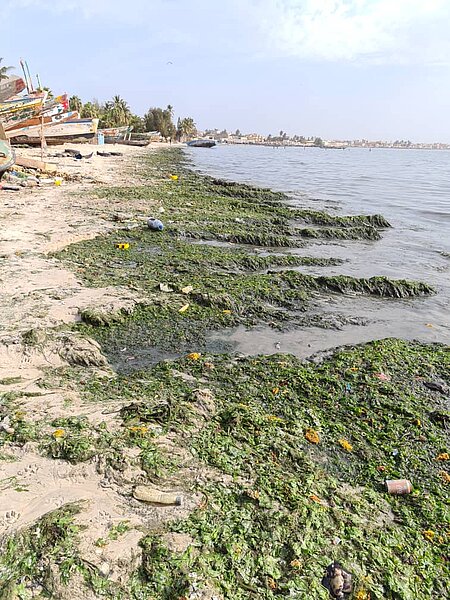
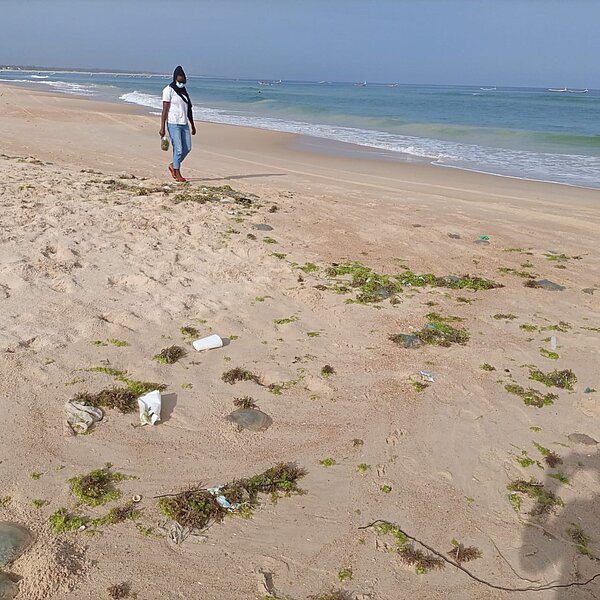
Algae bloom of Ulva spec on the coast.
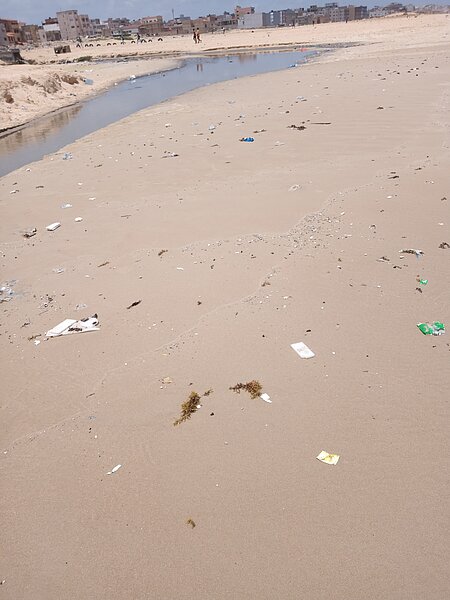
Stranded green algae in masses don't make a pretty beach. Here in Hann Bay.
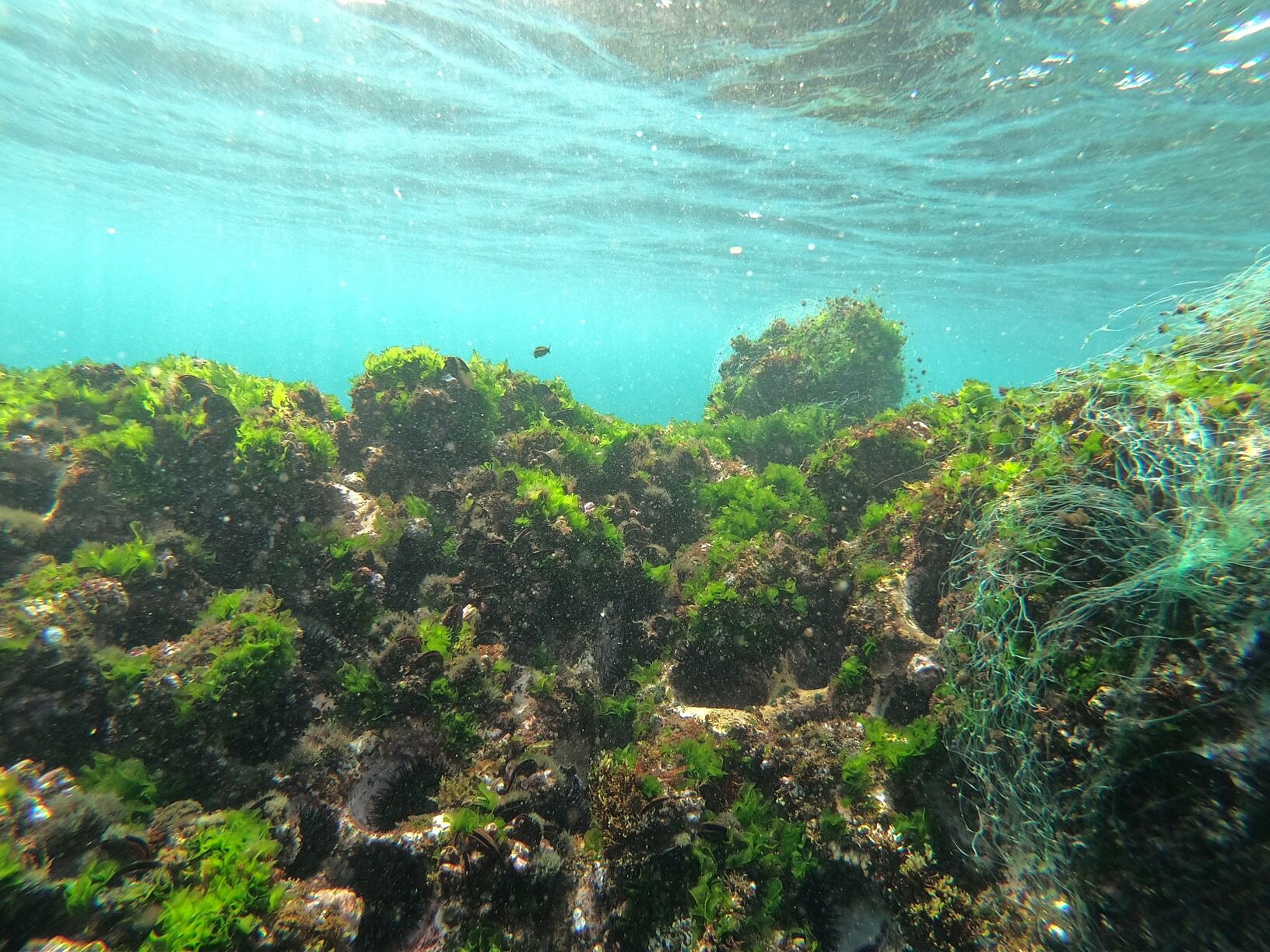
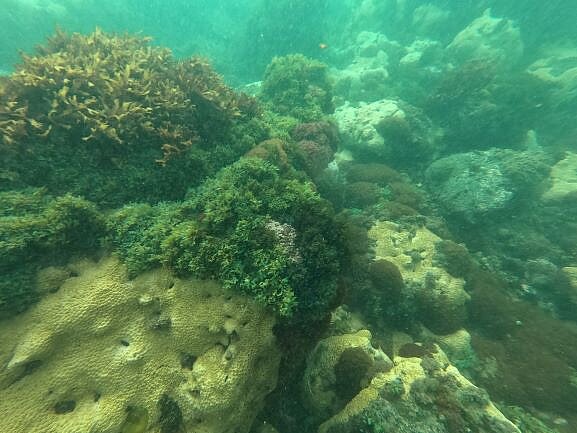
Under water it is very lively.
Large macroalgae near the sea surface.
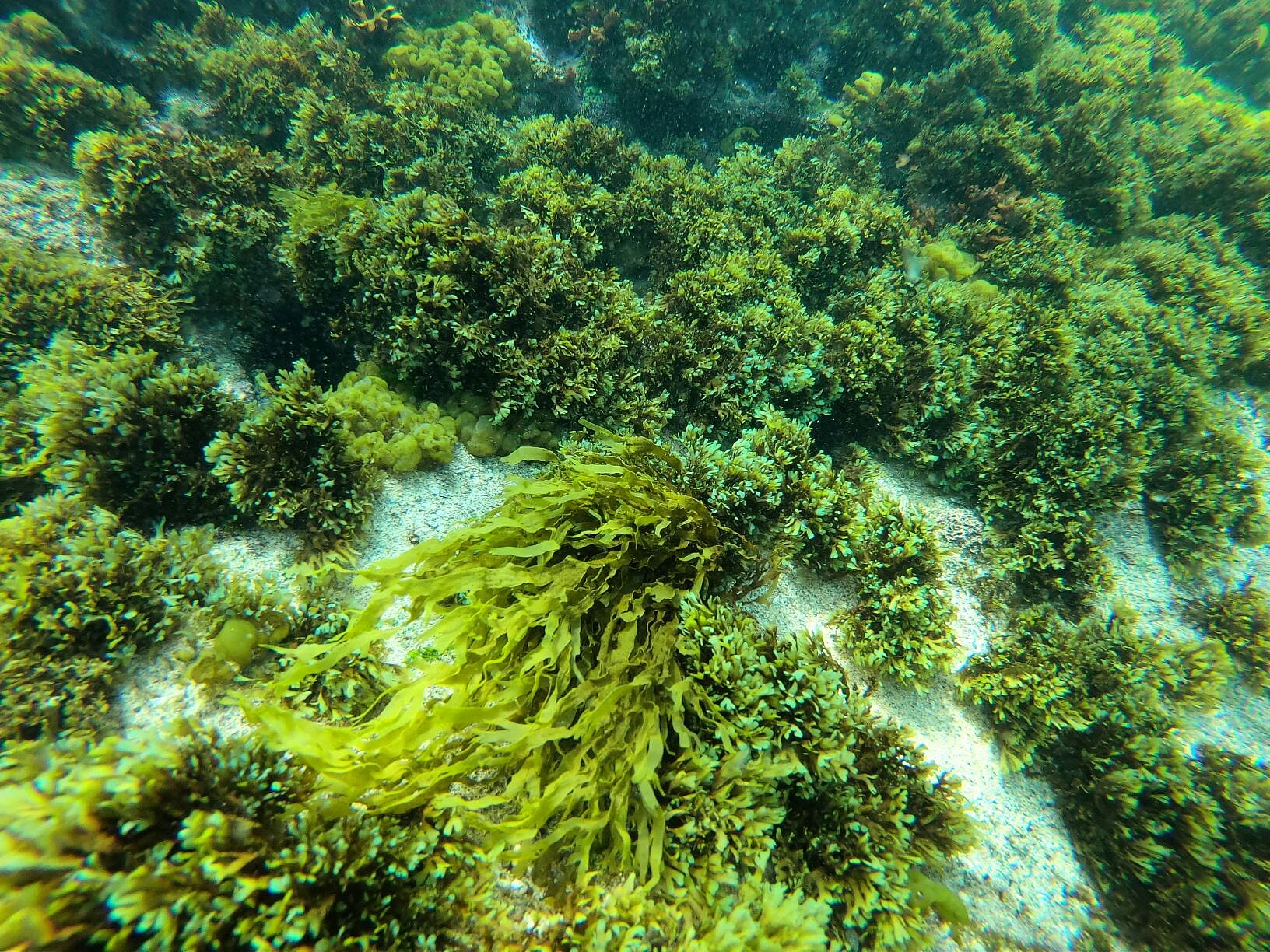
Small macroalgae near the sea surface.
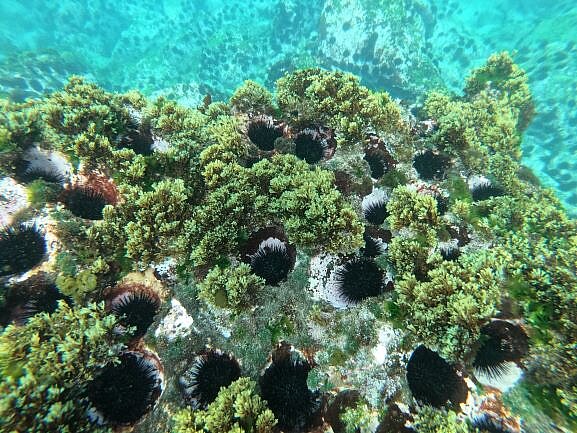
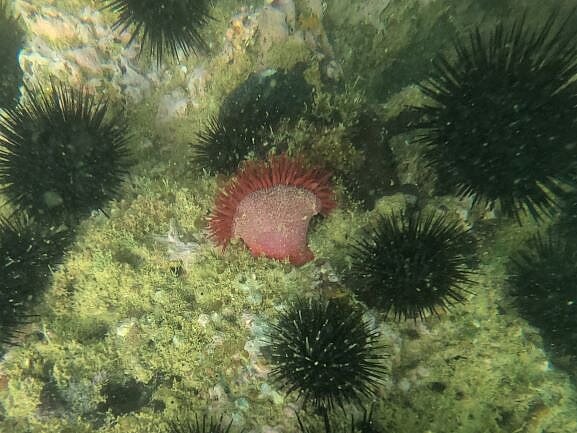
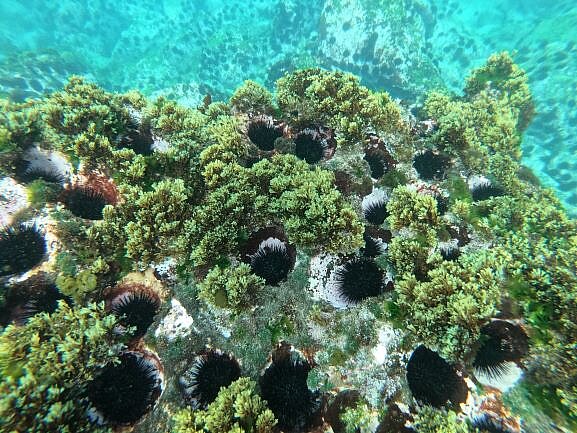
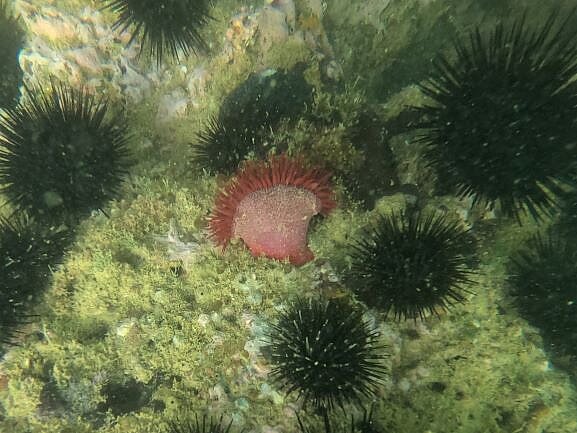
Hungry urchins leave barren bottoms, but some macroalgae resist. Photo by Patrice Brehmer (c) IRD, 2021
Macroalgae of different sizes and densities were detected.
Green, brown and red algae were found in many places.
Sea urchins also do not eat everything.
Fluorescent algae were encountered in high density.
Barren soils alternate with high biodiversity.
Second major sampling campaign along the Senegalese coast from August 17 to September 17, 2021.
Photos are from Mamie Diop, Fulgence Diedhiou, Waly Ndiaye (ISRA/CRODT) and Patrice Brehmer (IRD).
Abene
Camberene
Camberene
Cap Skiring
Cap Skiring
Cap Skiring
Cap Skiring
Hann
Hann
Joal
Joal
Kafountine
Kafountine
Kafountine
Kayar
Kayar
Ouakam
Ouakam
Point Almadies
Point Almadies. Sea urchins reduce biodiversity, only certain algae remain.
Point Sarene
Point Sarene
Point Sarene
Somone
Saint-Louis
Somone
Thiaroye
Thiaroye
Toubacouta
Toubacouta
Third regular sampling campaign at ten locations around Dakar from May 2021 to May 2022.
Mamie Diop and Ndeye Bousso regularly visit the same sites around Dakar to study macroalgae.