mareXtreme Second Annual General Assembly
mareXtreme Convenes in Bremerhaven - Annual Meeting 2025
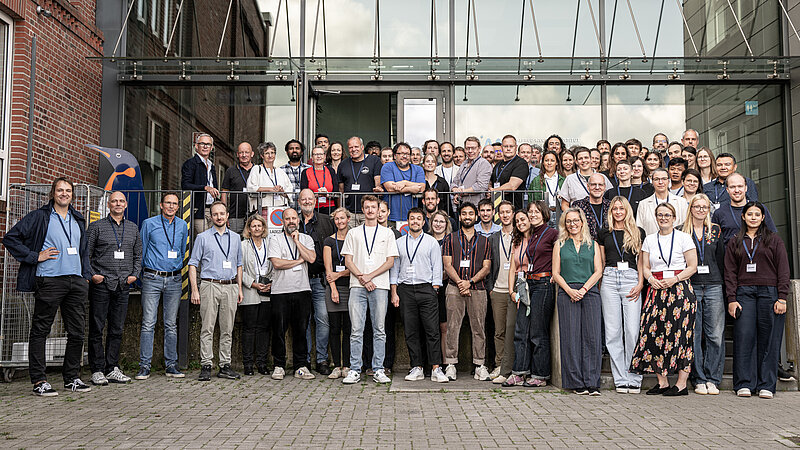
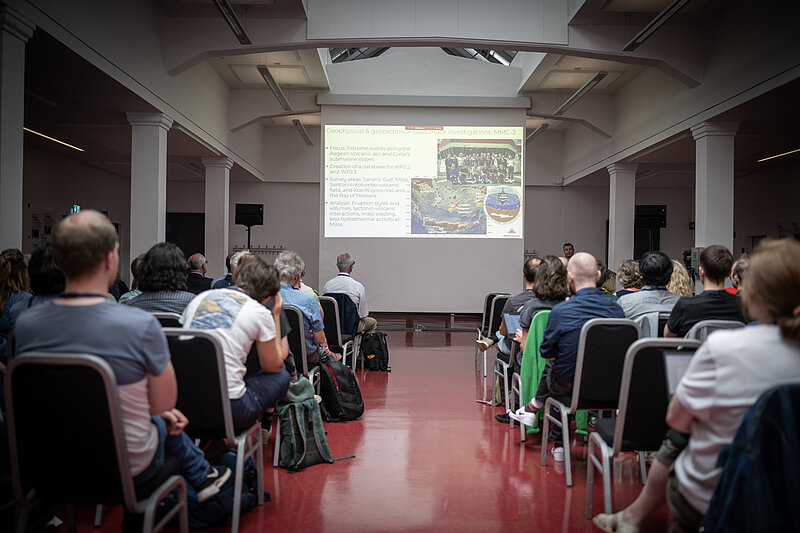
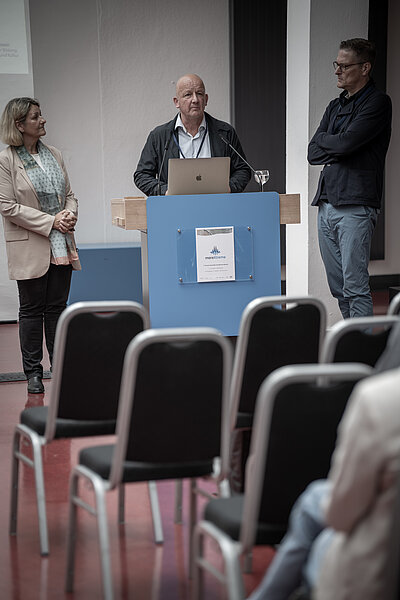
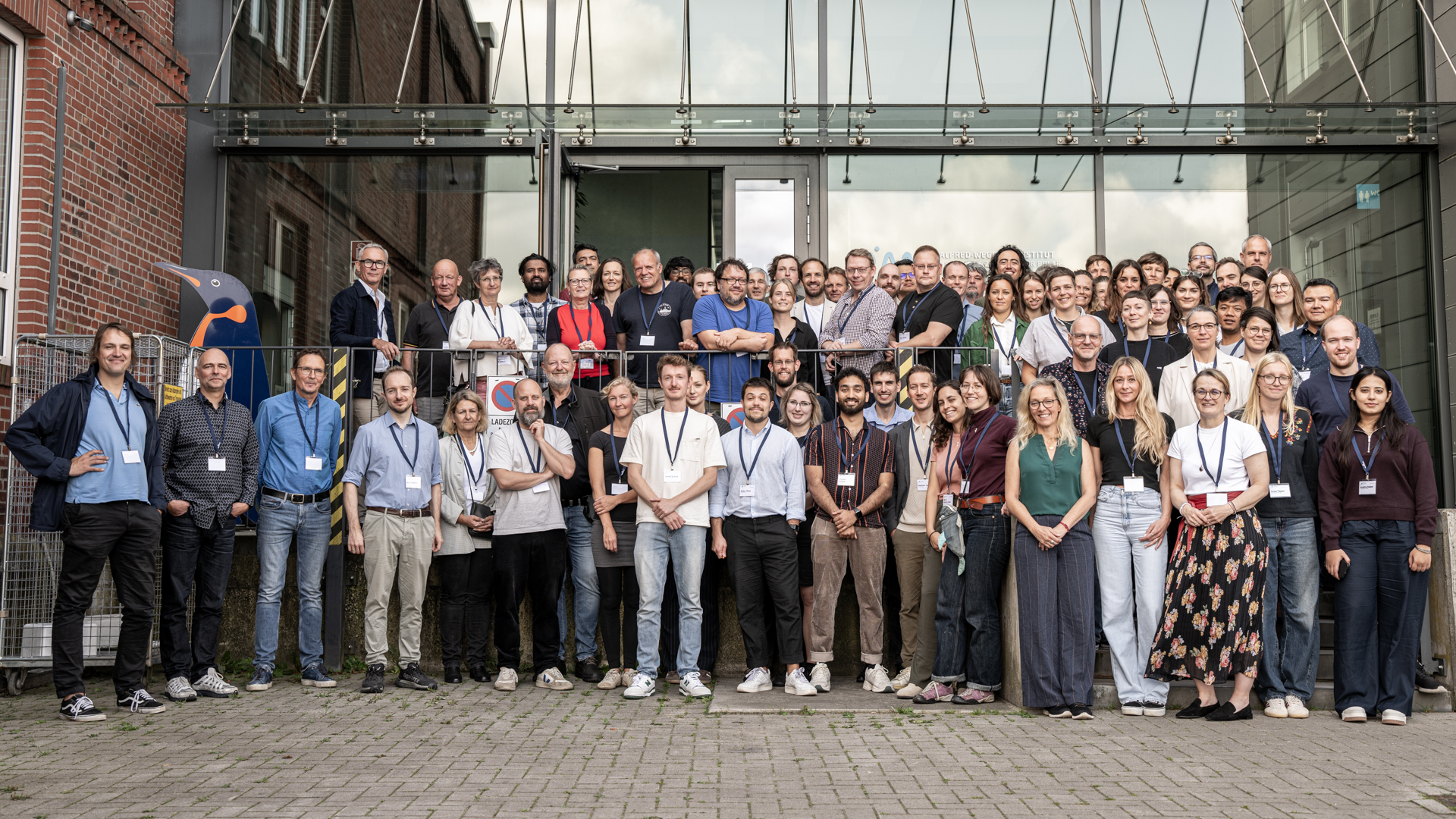
From 3–5 September 2025, the 3. DAM Mission mareXtreme came together at the Helmholtz Centre for Polar and Marine Research, Alfred-Wegener-Institute Bremerhaven, for our Second Annual General Assembly.
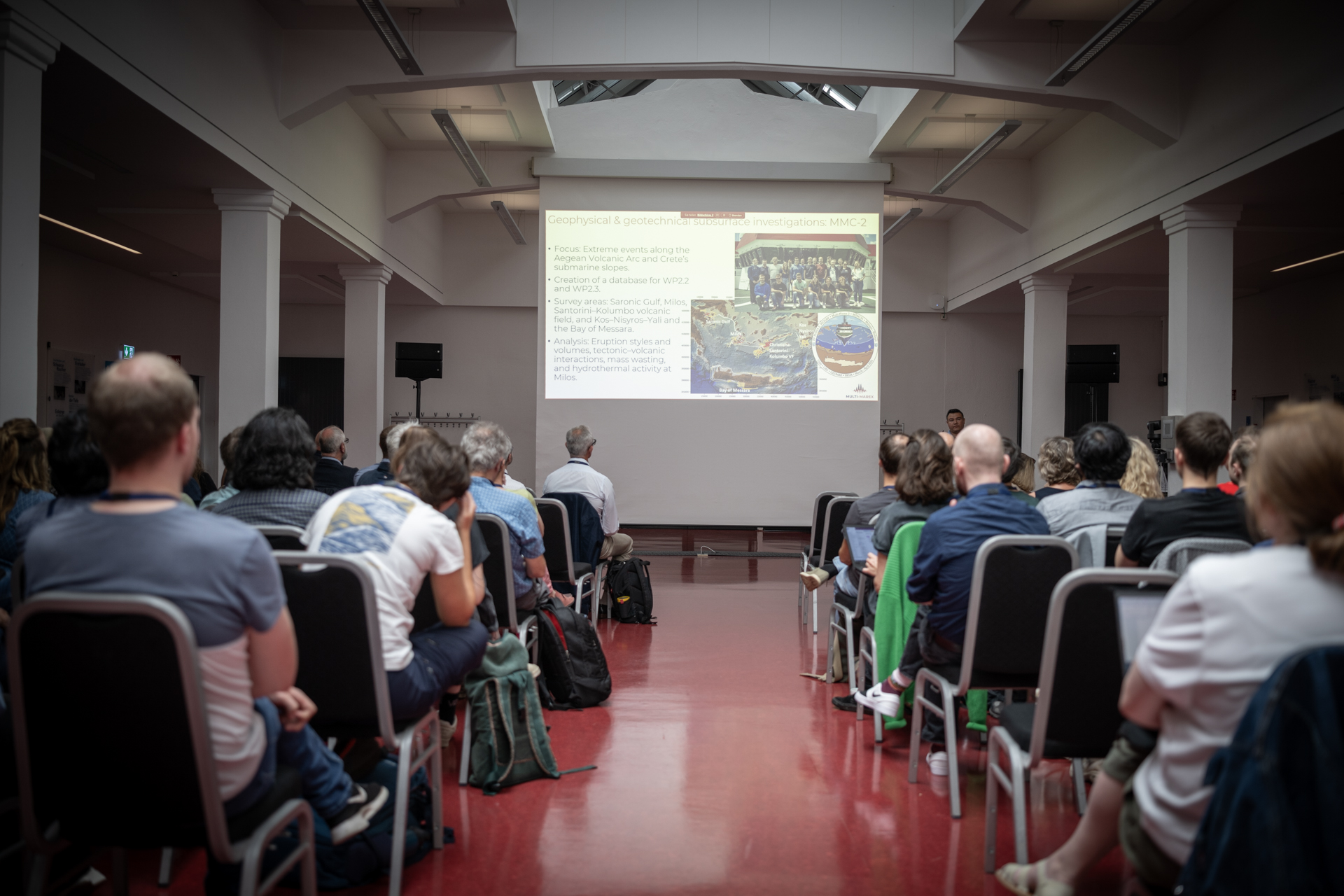
With the harbor as a backdrop, approximately 100 researchers and partners shared ideas, project highlights, solution-oriented results, and inspiration for upcoming activities.
✨ Over three days we experienced:
🔹 Exciting results from each joint project including notable highlights of each project
🔹 Future-oriented ideas shaping the next steps for the project future and vision to Phase II
🔹 Fascinating discussions across disciplines integrating co-design and co-creation
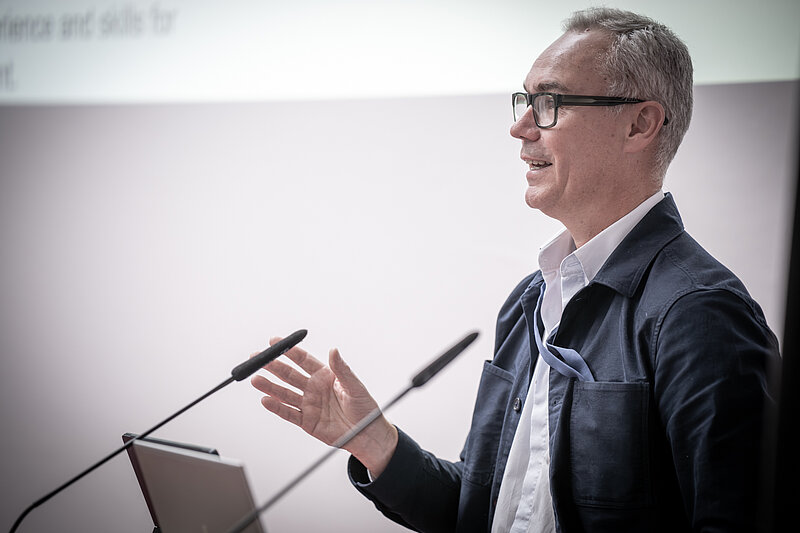
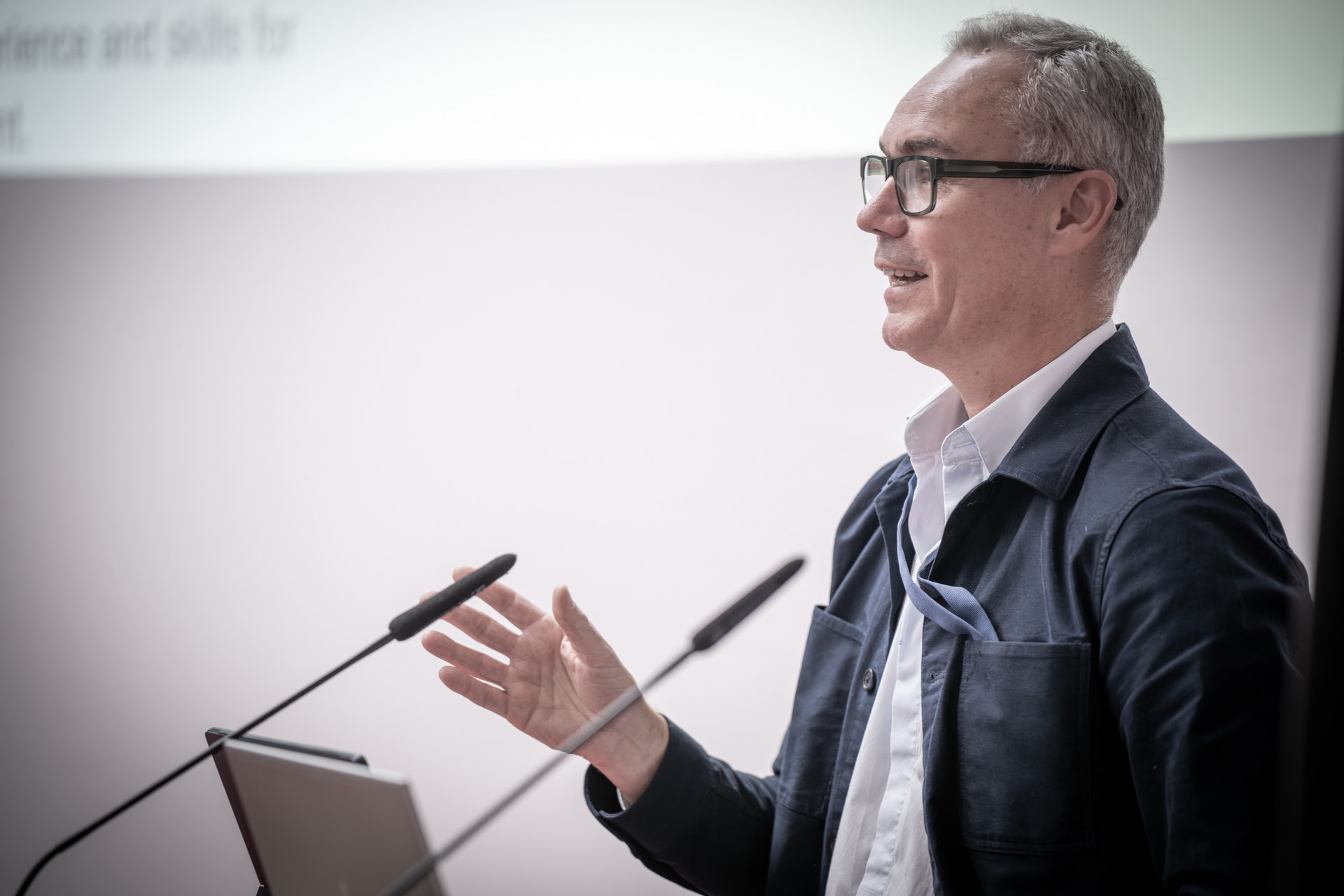
🎤 A true highlight was the keynote by Prof. Matthew Palmer (Plymouth Marine laboratory, UK) on “Improving Predictions of Risks in Coastal Marine Ecosystems using a Digital Twin Ocean” – offering visionary insights into how digital technologies can strengthen coastal resilience.
After nearly two years of project work, the assembly was an important milestone – and a strong signal of what we can achieve together in tackling the challenges of marine extreme events.
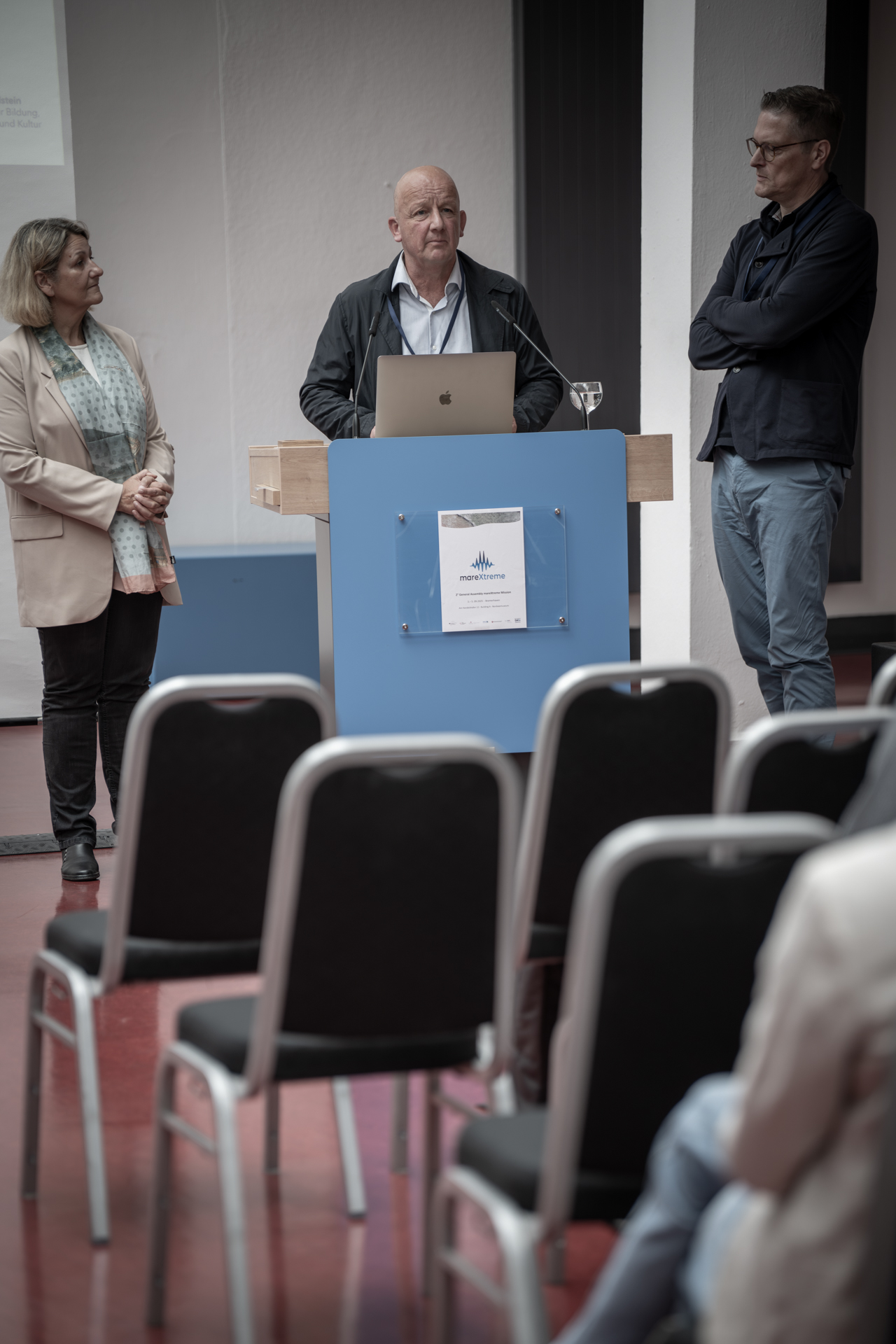
🙏 Special thanks to Projektträger Jülich (PTJ) for their support, and to Prof. Katja Metfies for the excellent organization of the event.
➡️ Learn more about mareXtreme and MULTI-MAREX: marextreme.de
All pictures by Felix Gross, Uni Kiel.
Aktuelles:
--------------------------------------------------------------------------
Methana Magmatic Observational Experiment (MeMaX)
Mach 17th, 2024
Volcanoes without real-time instrumental monitoring may exhibit undetected signs of internal activity.
The Methana Magmatic Observational Experiment (MeMaX) investigates seismic processes on the Methana Peninsula to detect hidden magmatic movements at an early stage.
As part of MULTI-MAREX, research outcomes are shared with decision-makers from science, policy, and disaster management. The high-resolution seismic data can help to enhance existing monitoring systems and identify potential hazards from volcanic activity or seismically induced tsunamis at an early stage.
About the publication:
Föst J.-P., Ritter J.R.R., Evangelidis C.P., Sokos E., Richter N., Reicherter K.R. (2024). Methana Magmatic Observational Experiment (MeMaX) – seismological monitoring of magmatic and tectonic activity in the western Saronic Gulf region, Greece. Annals of Geophysics, 68. https://doi.org/10.4401/ag-9155
Föst J.-P., Richter N., Ritter J. (2024). Methana Magmatic Observational Experiment (MeMaX). GFZ Data Services. Dataset/Seismic Network. https://doi.org/10.14470/6N477343
Congratulations to our Early Career Scientists on their publications!
Read more and updated information on our official blog: LINK
MULTI-MAREX Rapid Response Team reaction to seismic events around Santorini
07. February 2024
Read more and updated information on our official blog: LINK
A cluster of weak to moderate earthquakes is currently recorded around Santorini. The seismic activity is concentrated in the area between the islands of Santorini and Amorgos, with a center around 25 kilometers northeast of Santorini. MULTI-MAREX scientists are assessing the current events and have sent a rapid response team to Santorini.
Against this backdrop, MULTI-MAREX launched a Rapid Response Mission on February 2nd. Together with our Greek partners, we are on site to install instruments on the seafloor and in Santorini’s caldera to monitor the seismic activity.
The objective of the MULTI-MAREX monitoring efforts is to record and accurately quantify the number, location, and magnitude of the earthquakes. Over the coming days, we will be able to assess whether the recent increase in magnitudes and the intensity of the earthquake sequence will continue or diminish. As long as seismic activity persists, there is an elevated risk of landslides, particularly along steep coastal areas. Very strong earthquakes—significantly more intense than those recorded so far—could also generate tsunami waves. Potential warning messages from the Greek authorities are sent directly to mobile devices via cell broadcast, provided that emergency notifications are enabled.
Read more and updated information on our official blog: LINK
--------------------------------------------------------------------------
MULTI-MAREX Launches Rapid Response Mission on Santorini.
04. February 2025
Starting on January 24, 2025, an increase in weak to moderately strong earthquakes has been recorded in and around Santorini, similar to the events observed in 2011 and 2012. Unlike the previous episode, however, the current seismic activity is concentrated on the seafloor between the islands of Santorini and Amorgos
These current tremors are predominantly caused by tectonic processes. The numerous fault zones on the seafloor are activated by tectonic stresses along the plate boundary between the African and Eurasian plates. These ongoing processes are the cause of the widespread volcanism in the region, including Santorini. Many people in the region perceive the shaking as mild vibrations; thus far, no significant damage has been reported. The strongest earthquake to date reached a magnitude of 5.1 on February 4 and occurred at a depth of about 10 kilometers.
Against this backdrop, MULTI-MAREX launched a Rapid Response Mission on February 2nd.
--------------------------------------------------------------------------
Latest news:
News alert on Santorini earthquakes
MULTI-MAREX Launches Rapid Response Mission on Santorini
04. February 2025
Starting on January 24, 2025, an increase in weak to moderately strong earthquakes has been recorded in and around Santorini, similar to the events observed in 2011 and 2012. Unlike the previous episode, however, the current seismic activity is concentrated on the seafloor between the islands of Santorini and Amorgos
These current tremors are predominantly caused by tectonic processes. The numerous fault zones on the seafloor are activated by tectonic stresses along the plate boundary between the African and Eurasian plates. These ongoing processes are the cause of the widespread volcanism in the region, including Santorini. Many people in the region perceive the shaking as mild vibrations; thus far, no significant damage has been reported. The strongest earthquake to date reached a magnitude of 5.1 on February 4 and occurred at a depth of about 10 kilometers.
Against this backdrop, MULTI-MAREX launched a Rapid Response Mission on February 2nd.
MULTI-MAREX cooperation partners (in alphabetical order):
Associated partners:

3. DAM Mission mareXtreme